Boosts — paying extra for more
A boost is a line in a blue band: a cost, a colon, and what it does — for example
 Draw a card.
When the card is played, the player the balls name may pay that cost to get the extra. The balls say who may pay;
the marks in front of them say how often and when.
Who may pay

Self — Only the player who played the card may pay.

Brotherly — Another Righteous Player may pay — the dark ball is you, the lit one your partner.
Any — Anyone on your side may pay — not the other side.

Bounce-back — When anyone ELSE pays a boost, you may then pay this one.
How often and when — in front of the balls

∞ Multi — May be paid more than once.
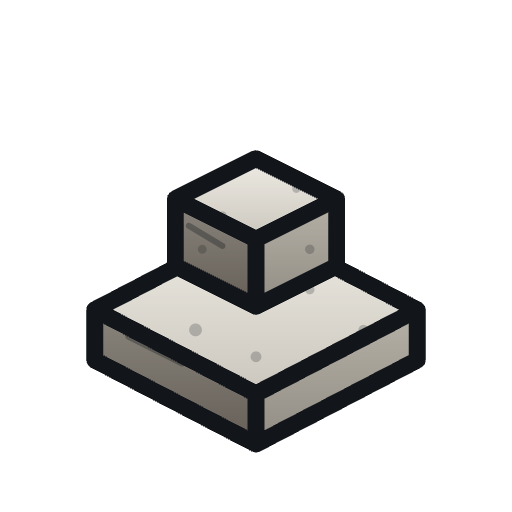
Perm — the stone — May still be paid while the card is in play. Only on Habituals and tokens, and nearly always with a limit such as MAX 1 /turn.

⚡ Fast — Paid BEFORE the card does its action, not after.

⚡⚡ Ultra fast — Lay the card down before paying its cost, pay this instead, and do what it says — instead of playing the card, or as well. Always the top line of the card.
Put together
Multi Any — Anyone on your side, as many times as they like to pay.
Perm Any — Anyone on your side, while the card is in play.
Perm Multi Brotherly — Another Righteous Player, more than once, while the card is in play.
Fast Self — Only you, paid before the card’s action.